People who suffer from addiction may have a number of problems. Addiction’s physical effects are influenced by a variety of factors, chief among them being the substance of choice.
A uncommon disease emerged in this 23-year-old man.
To learn more, continue reading.
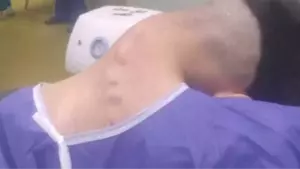
A young Iranian male was observed to have a concerning illness. His head was no longer supported by his neck. The man was an amphetamine user, the physicians said. For extended periods of time, the drug, often called speed, would force his chin to drop to his chest, resulting in a “fixed kyphotic neck position.”
After routinely using a variety of narcotics, including heroin, opium, and speed, he developed a severe bend in his neck.
Physicians were attempting to determine whether the young man’s drug addiction was the cause of his ailment.
They discovered that he showed no signs of developing such a problem prior to starting to take narcotics.
“We found that drug abuse contributed to the uncommon development of severe complicated cervical kyphosis [excessive rounding of the upper back],” stated Dr. Majid Rezvan, co-author of the case study.
He noted, “The medication does not directly affect musculoskeletal alterations.”
Instead, there is an indirect effect: the patient stays in a particular position for extended periods of time while taking the medication, which causes musculoskeletal changes over months that eventually lead to kyphoscoliosis, he noted.
Floppy head syndrome, another name for dropped head syndrome, is occasionally observed in those with weak neck muscles.
Additionally, drug addiction can cause it, even though it is typically linked to neuromuscular conditions like motor neuron disease.
According to the article, the Iranian guy had been dealing with symptoms like paresthesia and persistent neck pain for the previous 15 months.
Nothing seemed to be helping him with the pins and needles, tingling, and numbness he was experiencing in his arms.
According to the CT scan, his spine was seriously malformed. Doctors said that while he was under general anesthesia, everything appeared to get better.
However, to treat the malformed bone, surgery was required. With the use of a hard collar, he was able to walk independently one day following the procedure.
It was anticipated that the man would attend treatment to overcome his addiction.
For useful resources if you or someone you know is dealing with substance abuse, go to this page.