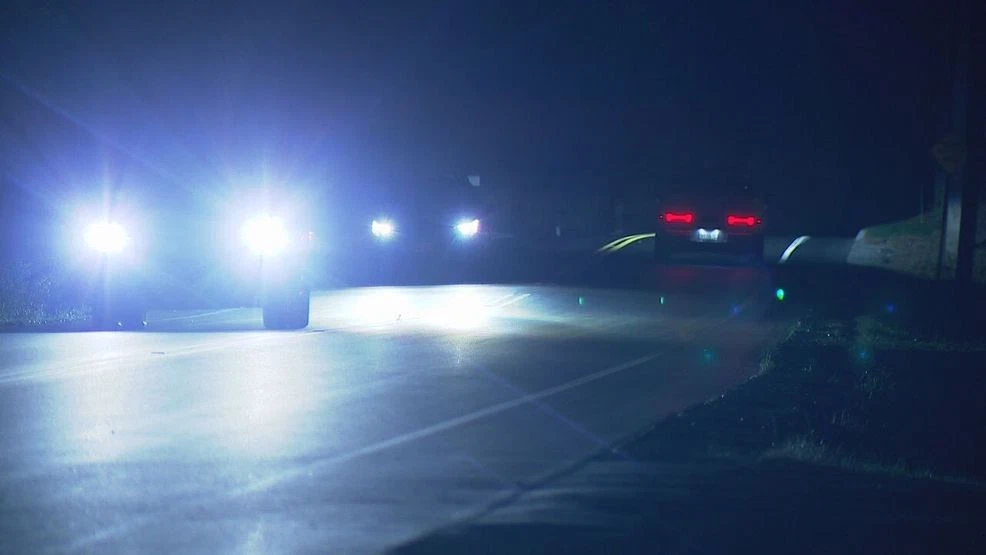
Before you can even see the car, the glare strikes. For a brief moment, you are driving at highway speeds nearly blind, your heart is racing, and your vision is completely destroyed.
Drivers all over the world now complain about this abrupt, confusing flash of light, so it’s not an uncommon occurrence.
These days, headlights—especially those with LED and high-intensity discharge (HID) technology—can be dangerously blinding in some situations. Drivers describe the momentary blindness as startling, sometimes causing them to swerve slightly, brake suddenly, or turn their head away from the road completely. This pattern is evident in reports from all over the world.
LED headlights, which offer whiter light that is closer to natural daylight, better energy efficiency, and a longer lifespan than conventional halogen bulbs, were introduced as part of a wave of automotive innovation.
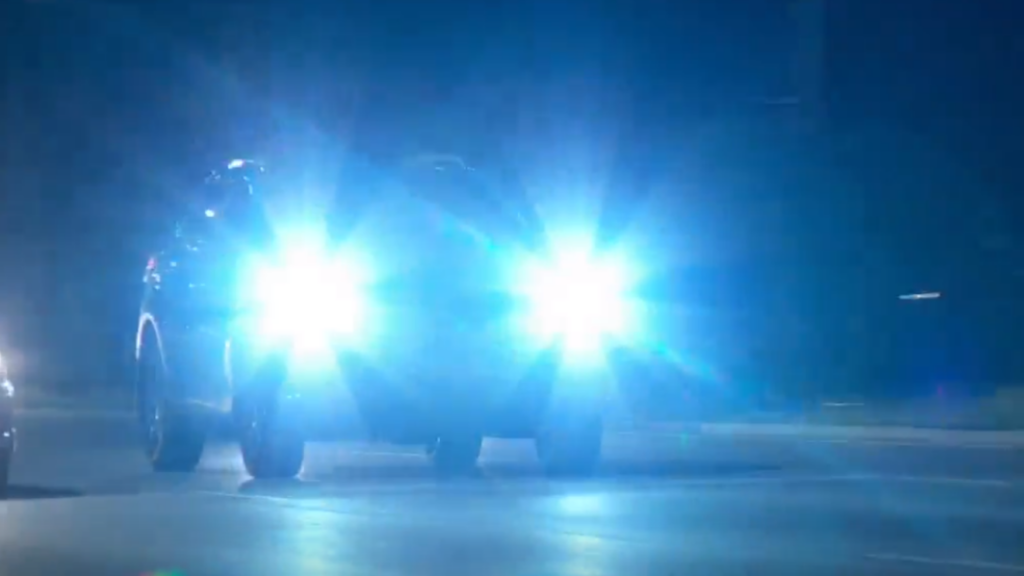
These lights, which were first praised for improving visibility and lowering maintenance costs, have now raised questions regarding road safety. LEDs create a focused, intense beam of light as opposed to halogen headlights, which emit a warmer, more diffuse light.
Although the driver of the car with them benefits from better forward visibility, oncoming traffic may experience extreme glare, especially if the headlights are positioned higher, as they frequently are on SUVs, trucks, and crossover cars, or if the alignment is even slightly off.
Even a small degree of misalignment can significantly increase glare, blinding drivers for a few vital seconds.
The increasing height and size of cars on contemporary roads exacerbates the issue. The headlights of taller cars shine directly into the eyes of smaller cars because they are above many drivers’ natural line of sight.
This effect is amplified on winding or uneven roads, where the beam may be unexpectedly redirected by minute vertical changes in the terrain. The persistent glare can impair depth perception and make it difficult to judge speed or distance, increasing the risk of accidents even when drivers briefly adjust their eyes or glance down.
A quantifiable percentage of nighttime collisions are caused by glare-related incidents, according to data from traffic safety organizations. However, precise numbers are hard to ascertain because the cause, temporary blindness, is frequently left out of official reports.
Many of the headlight laws in place today were created decades ago with halogen lighting in mind. Although these standards place restrictions on beam height and intensity, they frequently overlook the variety of vehicle sizes, headlight types, and road conditions that exist today.
Safety advocates contend that because of these antiquated and insufficient regulations, drivers are primarily left to handle glare on their own.
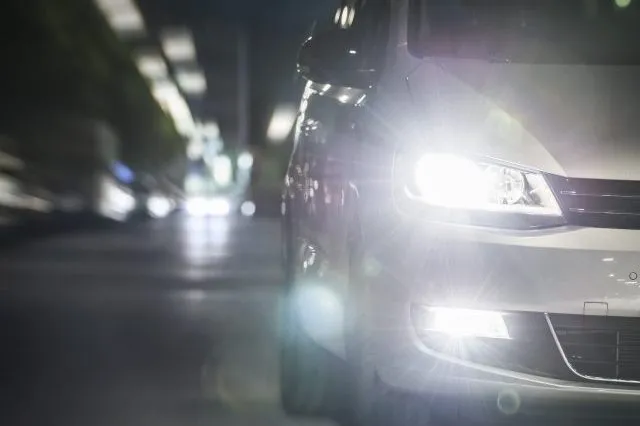
Although some more recent cars have adaptive lighting systems that can automatically change the beam’s angle and intensity in response to road curves and oncoming traffic, these technologies are still relatively new. Millions of drivers are therefore still subjected to severe glare from headlights that are misaligned or excessively bright.
Glare has more negative effects than just being uncomfortable. At highway speeds, even a brief moment of vision impairment can be disastrous. At sixty-five miles per hour, a car travels almost ninety-five feet per second.
The car may have gone between 285 and 475 feet—well over a football field—without the driver being able to properly see obstacles, curves, or traffic if the driver experiences a brief blindness that lasts three to five seconds.
Excessive light exposure temporarily impairs the eye’s capacity to perceive colors and contrasts, which lengthens recovery time and makes it more difficult to respond to unexpected dangers, according to studies on human visual perception. The impairment can be even more severe for older drivers or those who already have vision issues like cataracts, which raises the risk of collisions even more.
Experts point out that the implementation of the technology is the problem, not overly sensitive drivers. The risks are caused by a combination of high-intensity beams, vehicle design, and regulatory gaps rather than LEDs per se.
Although there are safety solutions, they are not always enforced. Stricter maximum glare limits, required headlight alignment checks during yearly safety inspections or vehicle maintenance, and a broader use of adaptive lighting systems that can dynamically adjust to traffic and road conditions are some of the recommendations.
These steps could greatly lower the risks associated with glare, but they need to be coordinated by manufacturers, authorities, and drivers.
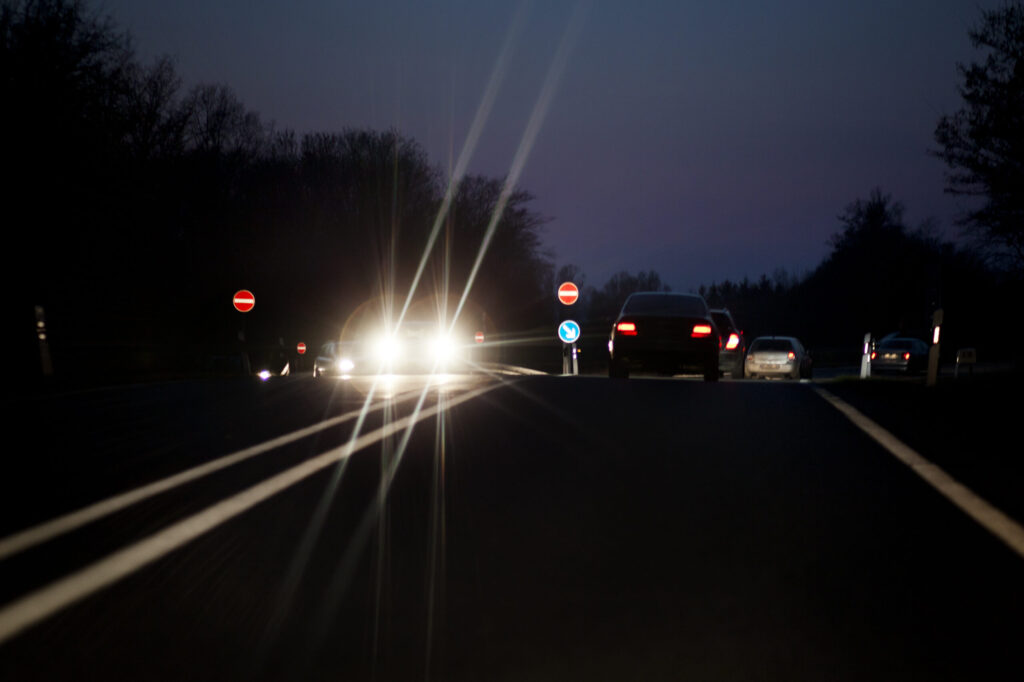
Beyond its technical aspects, glare has an impact on driving behavior and psychology. Momentary blindness can cause drivers to automatically turn their head away from the light source, swerve slightly, or brake suddenly.
These responses can impede traffic flow and raise stress levels for all drivers, even in the absence of accidents. Repeated exposure to bright headlights over time can cause anxiety and cautious nighttime driving, which may discourage travel after dark or worsen traffic during safer daylight hours.
Roadside lighting, reflective surfaces, and heavy traffic can all exacerbate the issue in urban areas. LED lights may produce secondary glare that worsens vision when they reflect off wet pavement, signs, or windows.
Because there is less ambient lighting and higher vehicle speeds in rural areas, glare can be even more dangerous. The phenomenon’s wide-ranging safety implications are highlighted by emergency response teams’ observations that glare-related disorientation leads to near-misses, delayed reaction times, and trouble navigating at high speeds.
Modern headlight glare may seem like a purely technical problem, but it has important legal and regulatory ramifications. The majority of nations’ initial vehicle safety regulations were based on halogen bulbs, which produce a softer, warmer light.
These earlier rules specify acceptable glare limits, alignment angles, and maximum beam intensities. However, the regulatory frameworks have not kept up with the rapid advancement of high-intensity LEDs and HIDs, which has led to gaps in safety oversight and enforcement.
Standards are being updated by organizations like the European Union’s Economic Commission for Europe (ECE) and the U.S. National Highway Traffic Safety Administration (NHTSA), but the rate of regulatory adaptation frequently lags behind the adoption of new technologies, exposing millions of drivers to varying degrees of glare.
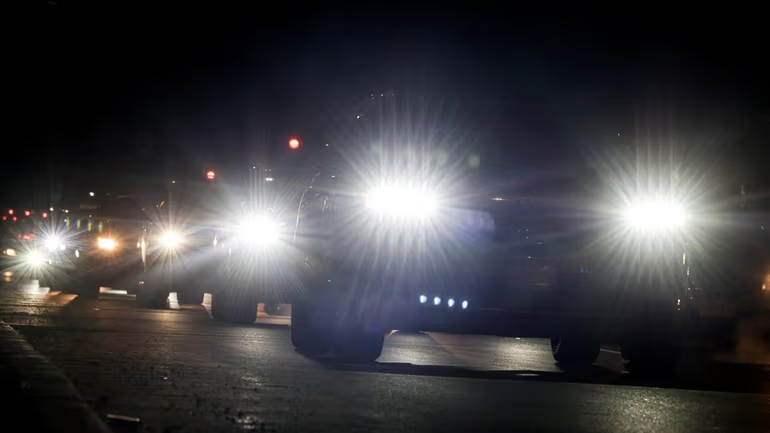
Headlight design and car manufacture are important factors in reducing glare, in addition to regulations. Adaptive front-lighting systems (AFS), which may automatically modify beam direction and intensity based on road curvature, vehicle speed, and the presence of incoming traffic, have been implemented by certain manufacturers.
Despite their effectiveness, these systems are still expensive and are typically seen on luxury models rather than regular cars. Many drivers still have to deal with high-mounted, non-adjusting LED or HID headlights that might blind oncoming vehicles if they are not widely adopted.
According to experts, glare accidents can be considerably decreased by taking even basic precautions, such regular alignment checks during maintenance.
Another crucial element in reducing this risk is driver education. According to studies, a lot of drivers don’t know how to correctly adjust their headlights, the ideal height and angle for various car models, or the possible risks associated with aftermarket modifications.
The issue has been made worse by the widespread use of aftermarket LED and HID packages, which are frequently marketed as performance enhancements. These kits have the potential to misalign beams or increase intensity over permitted limitations, putting other drivers at greater risk.
Safety advocates recommend that manufacturers, driving schools, and dealerships give more precise instructions on how to adjust headlights and the risks associated with incorrect installation.
Glare has important implications on perception and health as well. Depending on the individual’s eye health and the surrounding environment, intense light exposure can cause “flash blindness,” a condition in which vision is significantly affected for seconds to minutes. It also momentarily lowers the eye’s sensitivity to contrast.
Particularly at risk are drivers who already have vision problems, such as cataracts, macular degeneration, or even slight refractive errors. High-intensity lighting at night might be intimidating for these drivers, delaying their reactions and raising the risk of collisions.
Younger and older drivers are also more vulnerable, underscoring the public health implications of what would otherwise seem like a simple convenience or aesthetic element.
The glare problem has significant intersections with road design and urban planning. The impact of high-intensity headlights can be intensified in urban areas by shiny surfaces like metal signage, glass storefronts, and wet asphalt.
On the other hand, because of their lower ambient lighting and greater average speeds, rural roads are dangerous. Even a brief moment of temporary blindness in either situation might result in unintentional lane changes, a loss of vehicle control, or a delayed response to dangers.
Road design factors like roadside clearance, ambient lighting levels, and sign reflectivity must be better integrated with vehicle lighting requirements, according to public safety organizations.
Incidents related to glare also have significant economic repercussions. Collisions that occur at night are more likely to cause property damage, medical expenses, and insurance claims.
Additionally, the fear brought on by regular exposure to bright headlights might affect how drivers behave, decreasing nighttime travel, increasing traffic during the day, and having an indirect impact on local economy.
Safety advocates and traffic economists believe that glare mitigation is not only a public health concern but also an economic one, notwithstanding the difficulty of precisely quantifying these expenses.
Solutions from technology are developing quickly. Innovations such as matrix LED headlights, in addition to adaptive front-lighting systems, provide fine control over individual diodes, allowing the car to selectively decrease certain beam sections to minimize glare while preserving optimum forward visibility.
Many new models already come with automatic high-beam assist, which dynamically adjusts brightness by detecting ambient light and incoming traffic. Despite the fact that these solutions have proven effective in lowering glare-related occurrences, consumer awareness, expense, and inconsistent regulations continue to hinder their adoption.
Advocacy groups advocate for broader adoption, proposing standards or incentives to make these safer lighting options required rather than optional.
The issue is receiving more and more attention from lawmakers and safety officials. The NHTSA and state-level transportation departments in the US are debating how to update headlamp standards, modify testing procedures to better represent actual driving circumstances, and impose harsher fines for non-compliant aftermarket installs.
Although glare and beam intensity are already limited in the EU by ECE regulations, some contend that testing methods, which are frequently carried out in perfect lab settings, do not adequately replicate dynamic road environments with fluctuating elevation, curves, and mixed traffic.
Global regulation harmonization could improve safety on international highways by preventing drivers from being subjected to varying degrees of glare.
Risk can be considerably decreased for the typical motorist by taking sensible actions. Effective strategies include utilizing low beams in congested areas, cleaning lenses to prevent scatter, avoiding aftermarket modifications that go beyond manufacturer standards, and maintaining correct headlight alignment.
Adopting defensive driving techniques, such slowing down at night and keeping a greater following distance, can also make up for the occasional exposure to glare.
Drivers can be further empowered by awareness campaigns and training programs, which provide them with the means to drive safely even when there is intense lighting.
In summary, the glare from contemporary headlights is an example of the intricate relationship between public safety, technology, human perception, and legal frameworks. Even though LED and HID lights provide better forward sight for the driver, if they are not correctly aligned or controlled, they can pose serious risks to oncoming traffic.
There are solutions, ranging from improved route design and driver education to more stringent alignment standards enforcement and adaptive lighting technology, but implementation is still unequal.
Drivers must continue to exercise caution until these policies are fully implemented, realizing that temporary blindness from bright headlights is a real and quantifiable risk rather than a matter of sensitivity. It will be crucial to strike a balance between innovation and safety as automobile technology advances to keep the roads usable by everyone, day or night.