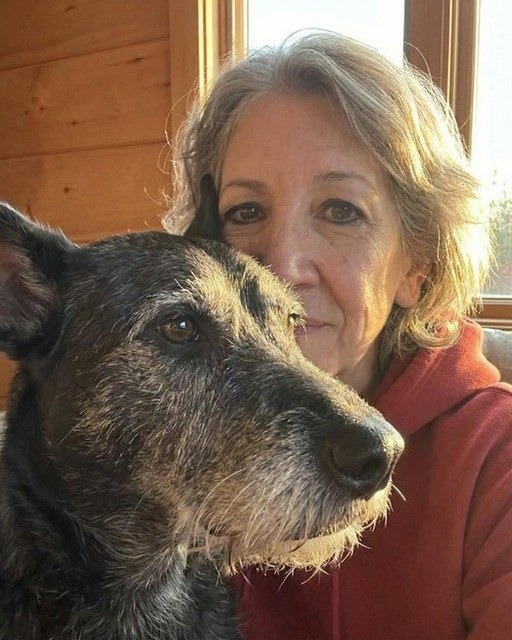
Knowing that the oldest dog in the shelter had only a few weeks to live, I adopted her. Daisy was her name, and even as I completed the adoption paperwork, the decision felt like a stone in my chest.
Daniel, my husband, and I had long since gotten comfortable with what appeared to be an entirely normal life. We had a small brick house in a peaceful neighborhood with lots of trees.
Every home on our neighborhood had the same air of meticulous upkeep, with recently manicured lawns and methodically patient flowerbeds. With its light blue shutters and tiny porch swing, our own house reflected the impression of a life that had complied with all regulations.
We looked like a couple who had done everything right: meticulous financial preparation, dependable employment that paid the bills on time, and peaceful nights spent at home.
However, appearances were misleading. Over the years, there had been an increasing amount of silence between us in our home. It was neither the quiet of easy friendship nor the tranquility of mutual understanding.
There was a silence that weighed heavily on the chest, a persistent void that neither of us could find a solution for. Daniel and I had been trying to conceive for almost half of our marriage, holding onto hope that painfully, slowly, became more piercing with every setback.
The tests, the doctor visits, the silent heartache of a broken cycle—all of it piled up like unread mail on the hall table. The talks eventually came to an end. The lengthy evenings spent discussing our worries and dreams, as well as the effortless laughing that used to fill our kitchen on Saturday mornings, were gone.
Routines took their place, including work, errands, housework, bills, and the occasional dinner out that neither of us really liked because of the unsaid pain that lingered between us.
We had fallen into a sort of cohabitation, two individuals living next to each other but being cautious not to speak out loud about the loss we were no longer able to identify.
On one of those peaceful evenings when the home seems almost too big and the silence becomes a stifling presence, the thought of getting a dog had begun as a murmur in my head.
I was reading a brief article on hospice programs for elderly dogs—animals who were nearing the end of their life but still needed love, comfort, and care.
Somehow, the thought of providing a loving home to a dog with such a limited lifespan evoked a deep-seated memory: the dog I had lost as a child when I was ten years old, the tiny comfort she provided, and how much I had missed her.
I hesitantly proposed bringing something living into the house—someone to look after, something to share our love with—while Daniel and I sat across from each other at our kitchen table, drinking lukewarm coffee and gazing at the waning sunlight through the blinds.
Daniel paused. He scowled, as he often does when I suggest alterations to our peaceful, well-organized existence. His voice was measured as he continued, “I don’t want a small, noisy animal.” However, he didn’t say nay openly.
I held my breath for a long moment until he finally said, “Okay… we can look.” That one word, tentative but open, was all it took to get things started.
Hope and grief coexist in the same atmosphere at the local animal shelter, where we drove that Saturday morning. The building had a subtle, harsh, yet familiar fragrance of fur and disinfectant. There was constant barking within.
Dogs of all ages and sizes circled in cages, their paws scratching at obstacles they were unable to get out of and their tails wagging in impatient expectation. Quickly moving between kennels, volunteers cleaned cages, carried food, and spoke softly to the anxious animals.
My gaze drifted to a calmer corner amid the tumult of youthful vitality and restless desire. Daisy was resting there on a faded blanket.
She was weak, much older than any other dog in the room, with gray-flecked fur, a slightly arched spine, and slow, careful breathing. She did not jump or bark like the younger dogs did.
She didn’t scream for attention or jump at the bars. However, her tail made a deliberate little tap on the ground when I knelt in front of her, almost like a tiny hand reaching for mine.
She had an ancient wisdom in her deep, aged brown eyes, as though she had seen the world in ways that most people would never.
Something changed in my chest during that still, motionless instant. Even if it was only for a short time, I knew then that she was the puppy I was supposed to bring home.
Daniel’s response was prompt and incisive. His expression flickered between bewilderment and incredulity as he recoiled. His tone was a mix of terror and annoyance as he stated, “We are not signing up to watch that.”
He was unable to comprehend my decision to select a dog who was obviously nearing the end of her life. He saw it as an invitation to sadness and needless heartache. However, I noticed something odd.
A miracle was not necessary for Daisy. She needed a home that could provide her with calm, affection, and a few weeks, perhaps a month or two, of dignity.
I was willing to endure the heartache in order to give her last days a kind and meaningful touch since her peaceful presence spoke to something my heart had been missing for years.
We deliberated for a while before deciding to take Daisy home. Her initial steps into our home were deliberate and cautious, as though she was trying to determine whether this unfamiliar place could actually be safe.
She sniffed the corners, stopped near the couch, and then settled down on a tiny blanket I had placed in the living room’s sunny nook.
Daniel and I watched her sleep that night at the kitchen table, her chest rising and falling in the leisurely cadence of an elderly dog’s life. The mood in our house started to change with the arrival of another living being, so delicate and dependable.
Daisy made small but significant changes to our life during the next few days and weeks. Her daily routine was simple and sweet: she slept for the majority of the day, occasionally pushed me for a scratch behind my ears, and gave Daniel a gentle wag when he got home.
Taking care of her turned became a joint duty, a private ritual neither of us had expected. Small gestures of kindness like filling her water dish, cooking for her, and caressing her silky, silvery fur helped us get back in touch.
We were conversing once more, first about her comfort, health, and favorite foods, and then about ourselves. After years of dormancy, conversations began to resurface in brief but sincere outbursts.
The sunlight coming through the living room windows, the peaceful cadence of our own breathing, and the coziness of a shared evening meal were all highlighted by Daisy’s presence.
She reminded us of the importance of little pleasures, the subtle yet profound significance of deeds of kindness, and the beauty of fully experienced moments, even if they are brief. Daniel would smile softly as he watched her sleep in the couch’s corner and occasionally reached down to pet her fur.
Something delicate and delicate—hope, connection, and an openness we had believed lost—began to replace the weight that had accumulated between us over the years.

Daisy continued to infuse our home with warmth and vitality despite her deteriorating health. Every day she became weaker, her breathing more difficult, her steps slower.However, the confidence in her eyes, the gentle pat of her head against our palms, and the way she would snuggle up in the window’s bright spot turned into a source of solace, happiness, and direction.Taking care of her served as a reminder that love, no matter how brief, can mend scars that time cannot, and that life may contain great beauty even in its final moments.
Daisy nestled in between Daniel and me as we sat on the couch one peaceful morning while the snow drifted softly outside. Softly, we talked about the present—the warmth of her body, the softness of her fur, the calm cadence of her breathing—rather than the past or the suffering we had experienced.
The years of quiet between us were meaningless in that moment, as we came to the realization that sometimes the smallest people may have the biggest impression on our hearts.
We went above and above to ensure her comfort in her last days. The winter air was brisk but not harsh as we drove to the park after carefully lifting her into the car.
She lifted her weary legs with unexpected resolve, smelled the ground, and laid on a blanket we put under a tree, silently observing the environment.
We marveled at how such a little creature could teach us so much about patience, presence, and unconditional love as we quietly giggled at her little actions.
Daisy died peacefully in our arms, surrounded by comfort and comforting smells. The ensuing anguish was intense and inevitable, yet it was balanced by thankfulness.
She had given us a remarkable gift: a reminder that love, even in its most fleeting manifestation, has the power to mend even the most silent wounds, reestablish connections, and inspire hope.
Once burdened by monotony and unsaid suffering, our home was now filled with recollections of tenderness, care, and the realization that life, no matter how short, is full of significance when shared with people we love.
Daisy ended up giving us more than we could have ever asked for. She demonstrated to us that letting our hearts open, even for a short period, can have lifelong effects.
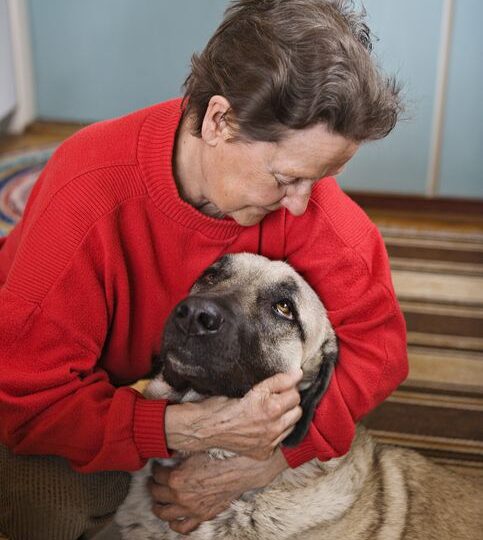
She reminded us that the beauty of life is not solely determined by length but also by the strength of the bonds we forge, the compassion we provide, and the love we dare to offer despite the certainty of loss.
As a result, Daisy’s memory endures in a home that used to be filled with silence. We sense her presence in the quiet moments between conversations, in the small gestures of kindness we now give to one another, and in the gentle warmth of a sunbeam on the floor.
Although she didn’t spend much time with us, her influence lives on. She taught us that love merely requires that we be there, completely, for those who are most in need of us; it does not need perfection or permanency.
In the process, we learned that even the tiniest, most frail lives may shed light on the deepest recesses of our own hearts.