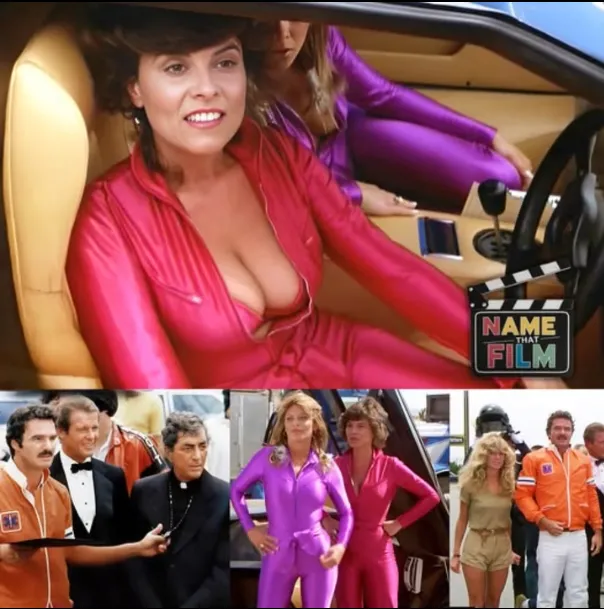
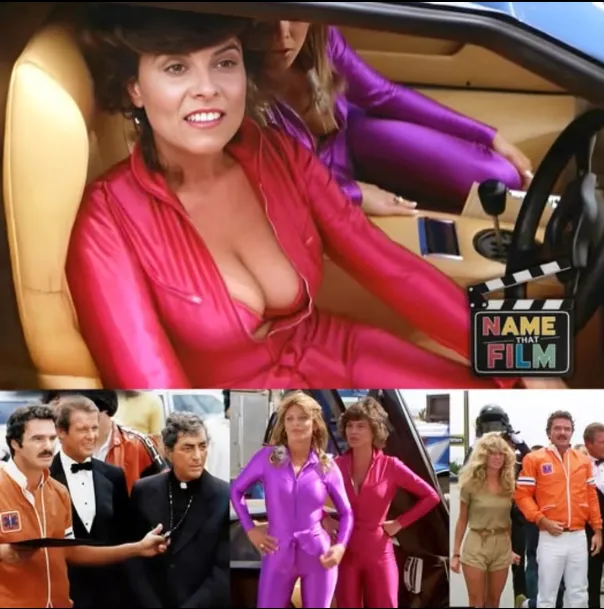
For audiences in the early 1980s, one scene stands out: Adrienne Barbeau flashing a confident smile behind the wheel of a sleek black Lamborghini in The Cannonball Run. Teaming up with Tara Buckman, she played part of a fearless duo racing across America in a star-studded comedy. With her dark hair, sharp humor, and magnetic presence, she seemed destined for even bigger Hollywood heights.
Then, just as quickly as she surged into the spotlight, it felt like she stepped away.
But Adrienne Barbeau didn’t disappear—she evolved.
Born in Sacramento in 1945, she began far from red carpets and flashing cameras. In the 1960s, she moved to New York and immersed herself in musical theater. Her breakout moment came when she originated the role of Rizzo in Broadway’s Grease, proving she possessed both commanding stage presence and vocal talent. That performance laid the foundation for a career that would span stage, television, film, and even writing.

Her television breakthrough arrived on the bold 1970s sitcom Maude, starring Bea Arthur. As Carol, the outspoken daughter, Barbeau balanced humor with emotional nuance in a show known for tackling controversial themes. While the role made her widely recognizable, she resisted being boxed into predictable parts.
By the turn of the decade, she pivoted to film and found her place in genre cinema. Under the direction of her then-husband John Carpenter, she starred in The Fog as radio host Stevie Wayne, delivering a performance both grounded and haunting. She followed it with a memorable role in Escape from New York, sharing the screen with Kurt Russell, and later appeared in Swamp Thing. These films solidified her status as a cult favorite—strong, complex, and far from a typical damsel.

While mainstream viewers remember her for the high-speed glamour of The Cannonball Run, horror and sci-fi fans embraced her as a genre icon.
As Hollywood trends shifted in the mid-’80s—especially for actresses often defined by appearance—Barbeau refused to fade into the background. Instead, she diversified her talents. In the 1990s, she became an accomplished voice actress, most notably portraying Catwoman in Batman: The Animated Series. Her sultry, confident voice became one of the most beloved interpretations of the character.
In 2006, she added “author” to her résumé with the memoir There Are Worse Things I Could Do, a candid and witty reflection on fame, relationships, motherhood, and resilience. The book revealed the thoughtful, self-aware woman behind the cult-image headlines.

Her personal life saw its share of change as well. Though her marriage to John Carpenter ended, their collaborations produced some of her most enduring work. Later, she built a life with playwright and actor Billy Van Zandt and embraced motherhood to twin sons, often speaking about balancing career and family.
Today, in her late seventies, Adrienne Barbeau continues to act, write, and connect with fans. Horror conventions, streaming rediscoveries, and younger audiences have kept her legacy alive. Films like The Fog, Swamp Thing, and Escape from New York continue finding new admirers.

So why did it feel like she vanished after that Lamborghini ride?

Because she chose sustainability over stardom’s burnout. Rather than chasing every spotlight, she carved out a career defined by variety, authenticity, and independence.