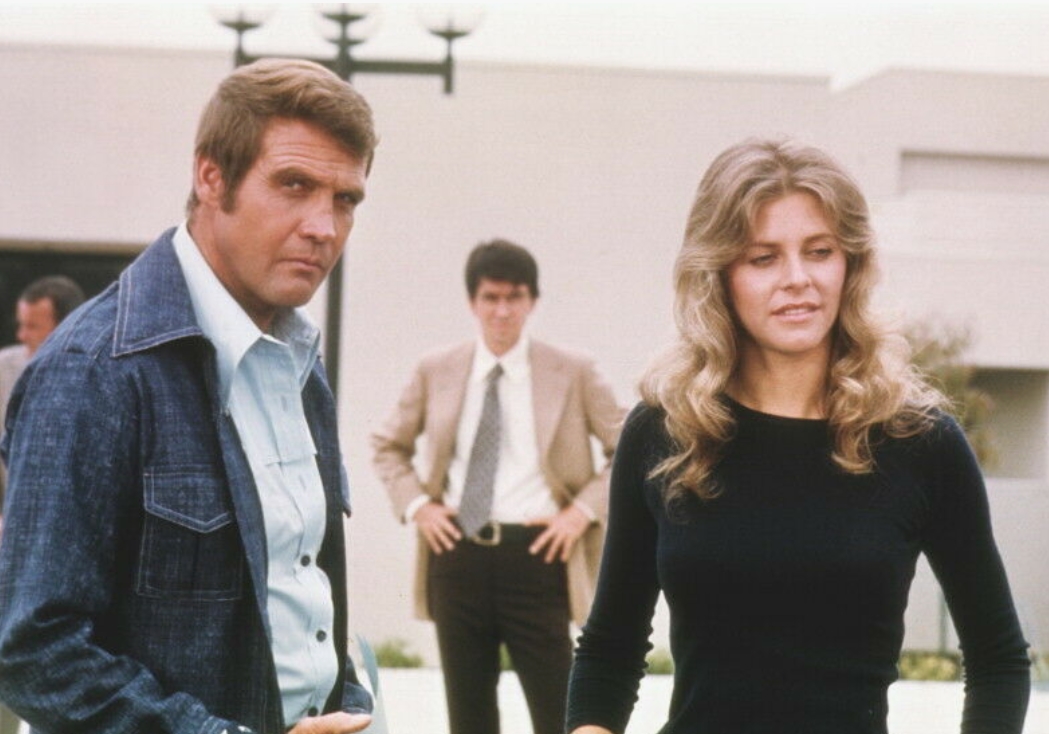
That familiar, rhythmic “bionic” sound still lingers in the memories of anyone who grew up watching a glowing television set in the 1970s. It signaled transformation—ordinary bodies rebuilt into something extraordinary.
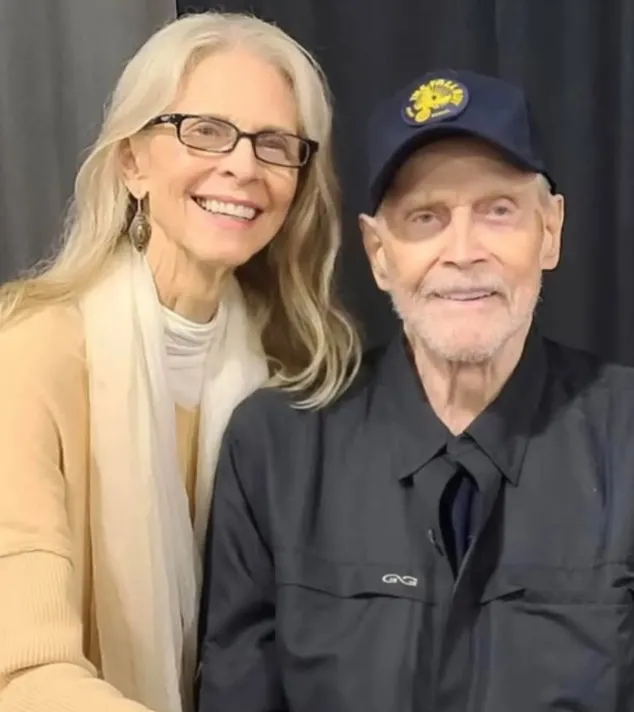
But when Lindsay Wagner and Lee Majors appeared together this January, there were no dramatic slow-motion runs or cinematic sound effects. Instead, the moment was quiet, warm, and deeply meaningful. It felt less like a show and more like a reunion between two people forever linked in the hearts of their audience.
For fans of The Six Million Dollar Man and The Bionic Woman, their appearance together carried more than nostalgia. These weren’t just actors revisiting famous roles—they were familiar figures who had accompanied viewers through different chapters of life. The applause they received wasn’t explosive; it was steady and heartfelt, filled with gratitude for stories that endured across generations.
What made Steve Austin and Jaime Sommers so compelling wasn’t just their futuristic abilities. Their stories began with trauma and uncertainty. Their strength came not from machines alone, but from recovery and resilience. They represented second chances—power born from vulnerability. That emotional depth set them apart from other science-fiction heroes of the era.
Behind the scenes, that authenticity was real. In the 1970s, special effects relied on physical skill, not digital tricks. The stunts were performed live, the sets were tangible, and the effort was genuine. When Majors leapt across rooftops or Wagner performed acrobatic spins, it wasn’t computer-generated—it was discipline and determination brought to life.
Seeing them today highlights how that authenticity still resonates. Majors carries the calm confidence of someone seasoned by decades in the spotlight. Wagner remains radiant yet reflective, her warmth shaped by experience. On stage, their interaction felt natural and unforced—shared smiles, light humor, and the comfort of long familiarity. Their chemistry, once scripted, now feels lived.
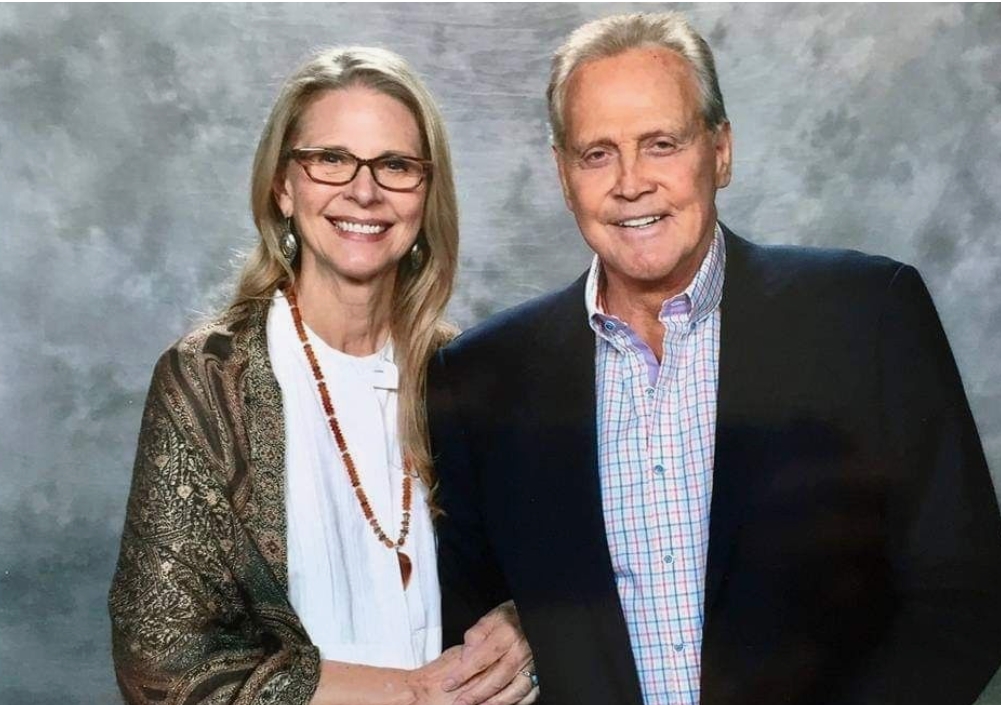
In an era when entertainment often relies on digital enhancement to preserve youth, Wagner and Majors represent something different: aging openly and unapologetically. Gray hair and laugh lines become symbols of endurance, not decline. Their presence reminds us that identity doesn’t need to be digitally preserved to remain powerful.
Fans who met them didn’t just recall favorite episodes—they shared life memories connected to those shows. Childhood afternoons, family reruns, rediscovering the series years later. The reunion became more than celebrity nostalgia; it turned into a shared reflection on time and continuity.
Both actors have continued meaningful paths beyond their iconic roles. Wagner’s advocacy for holistic wellness echoes themes of healing and balance from her character’s story. Majors’ loyalty to fan communities reflects the steady heroism audiences admired decades ago. Their journeys mirror the original narrative arc: survival followed by purpose.
Today, “bionic” feels less like a mechanical upgrade and more like a metaphor. It’s about adapting, enduring, and remaining true to oneself despite change. Their resilience requires no circuitry—only character.
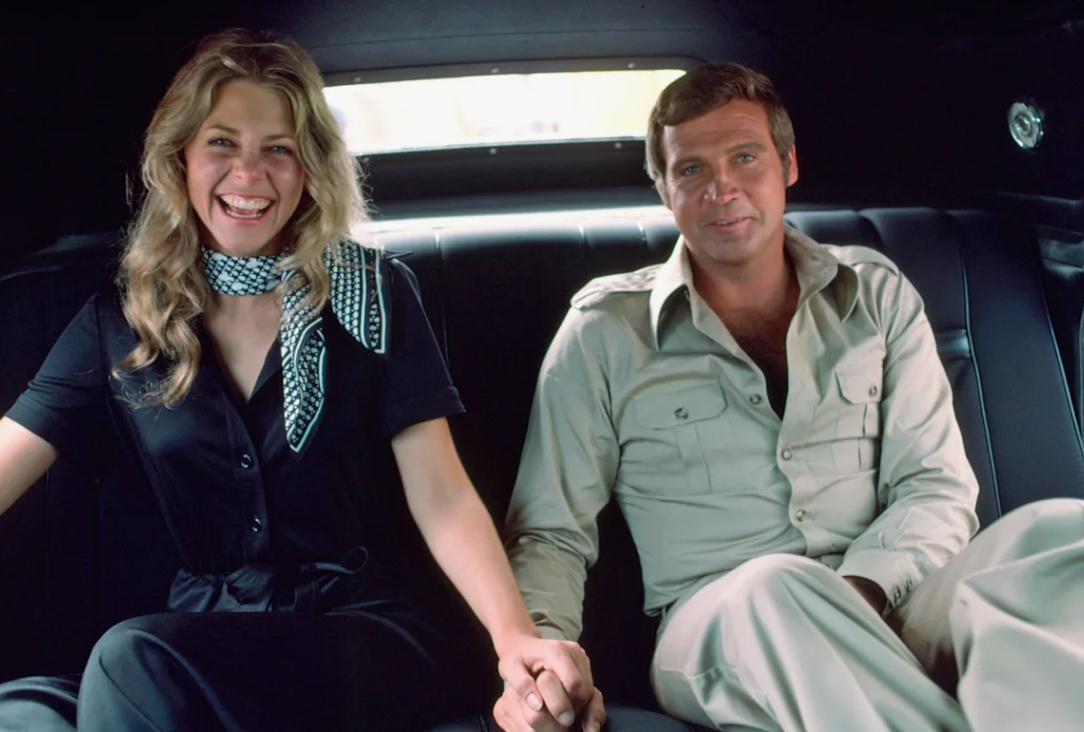
Their reunion also recalls a different era of technological optimism, when human enhancement felt hopeful rather than complicated. In contrast to today’s fast-moving digital world, their grounded presence feels refreshingly human.
As the event ended, there was no dramatic reenactment—just quiet acknowledgment between them and the audience. Once, their characters ran in synchronized slow motion. Now, they stood side by side, still and steady. That stillness said more than any stunt ever could.